
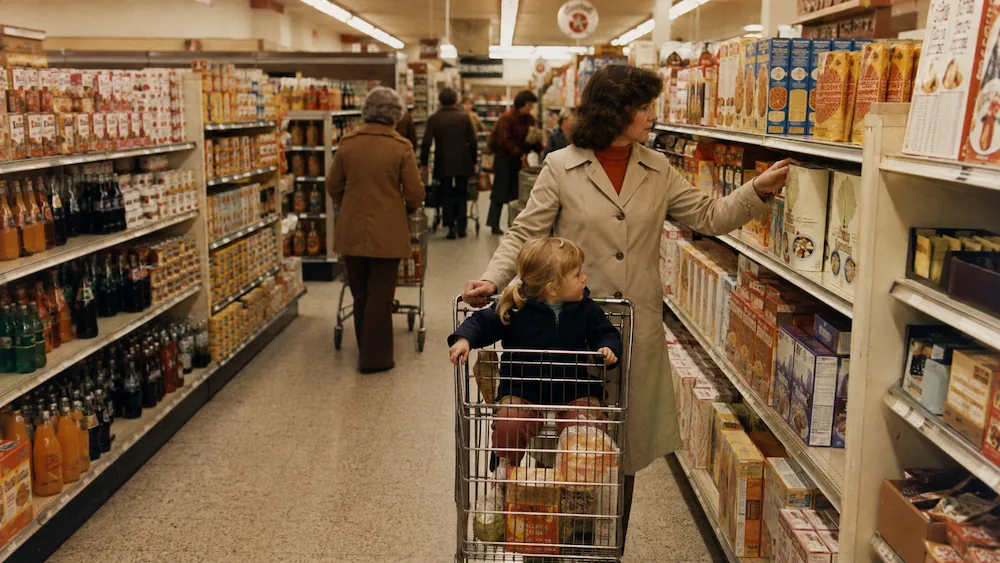
There was a time when a trip to the supermarket felt like a small weekly event.
Not a quick tap-and-go stop. Not a delivery window. Not an app telling you your groceries were left by the front door. In the 1970s, grocery shopping had its own rhythm, smell and sound. The automatic doors opened, fluorescent lights buzzed overhead, and suddenly you were surrounded by bright cereal boxes, glass soda bottles, handwritten signs, metal carts and aisles full of products that looked very different from what we see today.
For many families, the supermarket was part of the routine. Kids rode on the front of the cart. Parents carried paper lists. Prices were stamped or stickered on the products. Cashiers punched numbers into heavy registers. Coupons were clipped from newspapers. And if you were lucky, you might be allowed to choose one treat before heading to the checkout.
Looking back now, the 70s supermarket was more than a place to buy food. It was a snapshot of everyday life.
The Sound of the 70s Grocery Store
Before barcode scanners became normal, grocery stores sounded different.
There was the squeak of metal cart wheels. The clink of glass bottles. The rustle of paper bags. The tapping of cash register keys. You could hear refrigerators humming, shoppers chatting and maybe a store announcement crackling through a speaker near the ceiling.
Nothing felt fully automated. Every product had to be handled. Every price had to be read. Checkout lines moved at a human speed, which could be frustrating, but also strangely social. People talked. Kids got bored. Someone always seemed to be holding up the line with coupons.
Packaging Had Personality
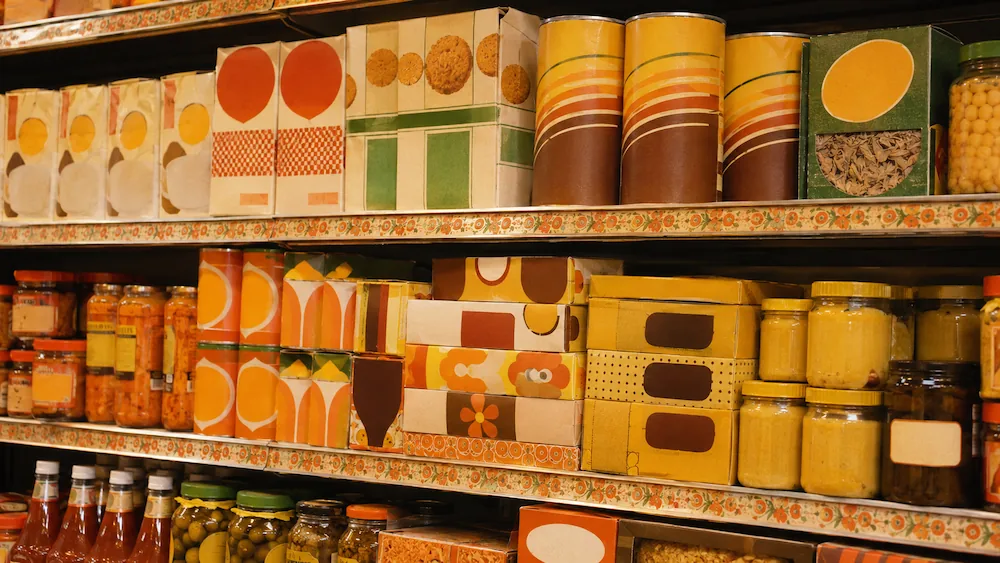
One of the biggest differences between supermarkets then and now was the packaging.
The 1970s loved color. Grocery shelves were filled with oranges, yellows, browns, reds and greens. Boxes were bold. Labels were loud. Fonts were chunky. Mascots smiled from cereal boxes, soup cans and snack packages. Even everyday products had a visual confidence that feels very nostalgic today.
Modern packaging often tries to look clean, minimal and healthy. The 70s did the opposite. It wanted to grab your attention from across the aisle. A cereal box looked like Saturday morning television. A soda bottle looked like summer. A frozen dinner box looked like convenience from the future.
There was also more texture. Glass bottles, metal tins, waxy cartons, cardboard boxes and paper wrappers gave products a physical presence. You did not just see packaging. You felt it.
The Cereal Aisle Was a Kid’s Dream
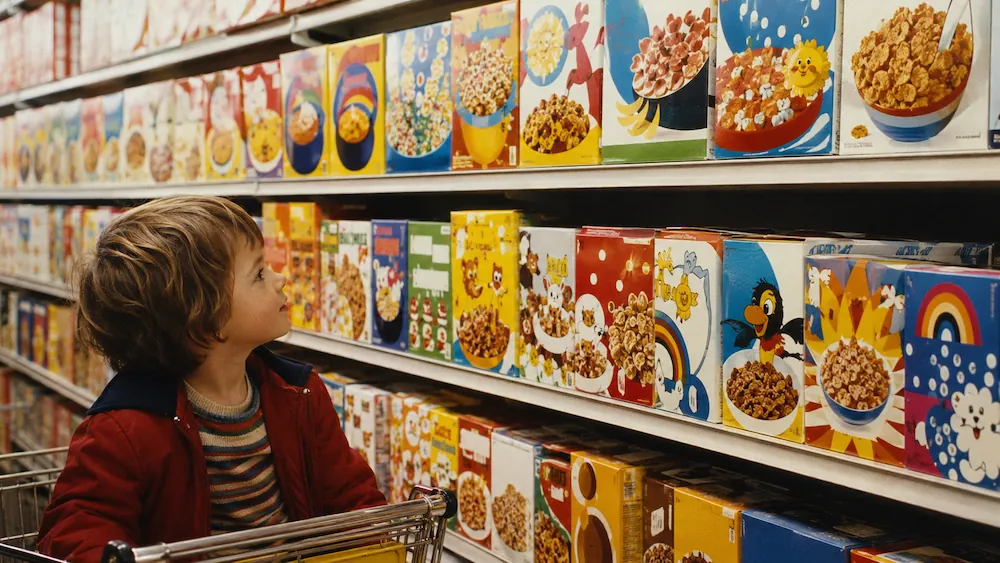
For children, the cereal aisle was one of the most magical places in the store.
Boxes were big, bright and full of promises. There were cartoon characters, prizes inside, games on the back and flavors that made breakfast feel like dessert. Kids did not just pick cereal because of taste. They picked it because of the box, the toy, the TV commercial or the character staring back at them from the shelf.
The back of the box mattered too. It could have puzzles, jokes, cut-out games, mazes or mail-away offers. Some kids read the same box every morning until the cereal was gone.
Today, breakfast cereal still exists, of course. But the 70s cereal aisle had a special kind of theatrical charm. It was food, entertainment and advertising all in one cardboard rectangle.
Soda Came in Glass Bottles
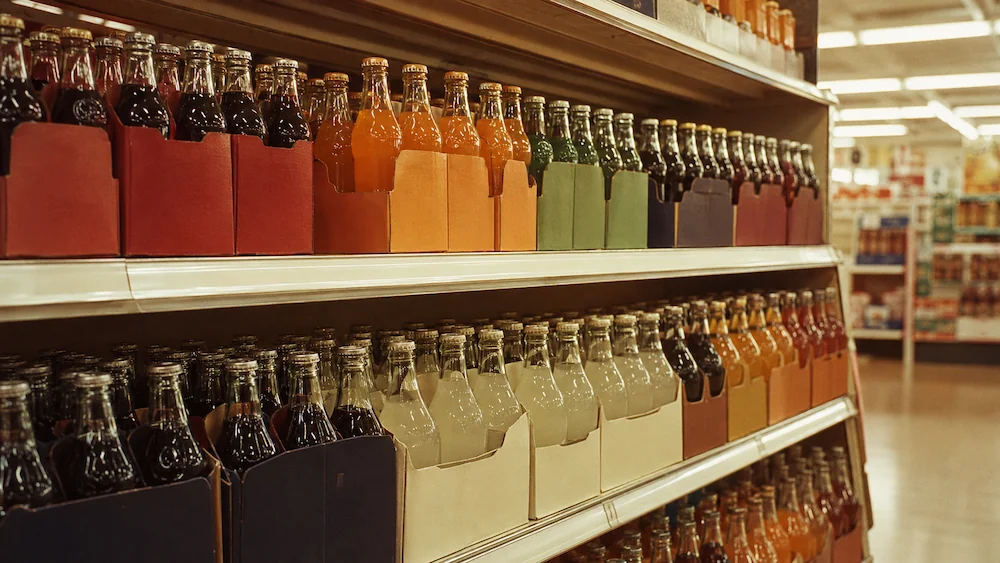
Before plastic bottles took over, soda often came in glass.
That gave the drink a different feeling. The bottles were heavier. They made a sound when they touched each other. Some were returnable. Some came in cardboard carriers. Many families remember bringing empties back to the store or stacking them near the door until the next trip.
There was something satisfying about opening a glass bottle. The cap popped. The fizz felt sharper. The bottle got cold in your hand. Whether it was cola, orange soda, root beer or cream soda, it felt like a treat.
The soda aisle also looked different because bottles had more shape. The packaging was not just labels. The glass itself became part of the identity.
The Frozen Food Section Felt Like the Future
The 70s were fascinated by convenience.
Frozen dinners, frozen vegetables, frozen desserts and ready-made meals promised to save time. For many households, the frozen food aisle felt modern. It was the place where busy families and working parents could find something quick and easy.
TV dinners especially carried a futuristic appeal. A full meal in a divided tray felt efficient, even exciting. The idea that dinner could come from a freezer and be ready with minimal effort was still relatively new for many families.
The packaging usually showed a perfect meal arranged neatly in separate compartments. The reality was not always as glamorous, but people remember it fondly anyway. Sometimes nostalgia is not about perfect food. It is about the feeling around it.
Prices Were Physical
One of the most forgotten details of 70s supermarkets is how visible prices were.
Before barcode scanning became standard, many products had price stickers. Small labels were placed directly on cans, boxes, jars and bottles. Some stores used pricing guns that made a sharp clicking sound as employees moved through shelves.
That tiny sticker made the price feel fixed, physical and immediate. You could pick up a can and see exactly what it cost. Cashiers also relied on those stickers or shelf signs when entering prices manually.
Sales signs were often handwritten or printed in simple block letters. Endcaps displayed specials. Paper signs hung above bins or stacks. There was no loyalty app discount hidden behind a login. The price was right there.
Paper Bags and Checkout Lines
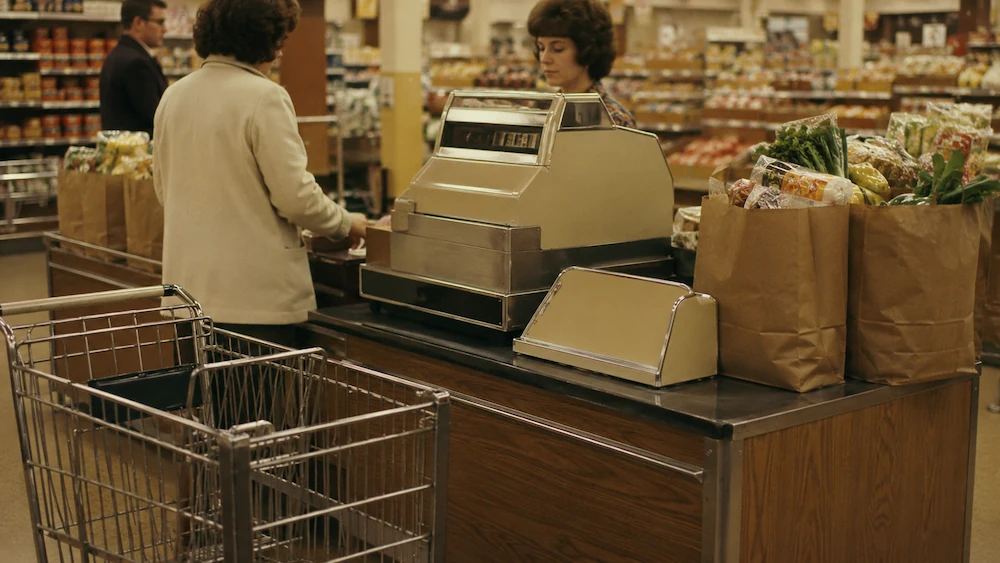
At checkout, groceries were often packed in brown paper bags.
A good bagger was almost an artist. Heavy items on the bottom. Bread and eggs on top. Cans together. Cold items grouped. Nothing crushed. Nothing leaking. Nothing forgotten.
Paper bags had their own smell and feel. They could be reused for schoolbook covers, trash, crafts or storage. Many people remember carrying them into the house in one or two awkward trips, hoping the bottom would not tear.
The checkout itself was part of the weekly ritual. Cashiers entered prices by hand. Parents checked their lists. Kids stared at candy near the register. Coupons were counted. Receipts were printed. It was slower than today, but it felt more personal.
The Supermarket Was Social
The 70s supermarket was also a local meeting place.
You could run into neighbors, teachers, relatives, coworkers or someone from church. Kids saw classmates. Parents exchanged news. People asked about families, jobs, weather and weekend plans. The store was part of the community.
There were bulletin boards near entrances. Local notices, babysitting offers, lost pet signs, church events, garage sales and school fundraisers were pinned in one crowded spot. Before social media groups, those boards helped people find what was happening nearby.
Even the staff felt more familiar. The butcher, cashier, manager or produce worker might know regular customers by sight. Some families shopped at the same store for years.
Why We Miss It
Of course, not everything was better.
There were fewer options for people with allergies or special diets. Fresh produce could be less varied depending on where you lived. Checkout lines could be slow. Stores were not always as convenient, efficient or accessible as they are today.
But nostalgia is rarely about perfection.
We miss the 70s supermarket because it felt more physical, more local and more memorable. The packaging had personality. The shopping trip had routine. The store had sound, color and community. Kids could remember the cereal box they begged for. Parents could remember the coupons they clipped. Everyone could remember the smell of paper bags, the clatter of carts and the glow of those bright aisles.
Today, groceries can arrive without us stepping outside. That is convenient. But it also removes the small adventure of going to the store, choosing things by hand and walking through aisles that felt familiar.
The 70s supermarket may be gone, but for many people, it still exists somewhere in memory: under fluorescent lights, between the cereal boxes and the soda bottles, with a paper list in one hand and a cart that never quite rolled straight.
