

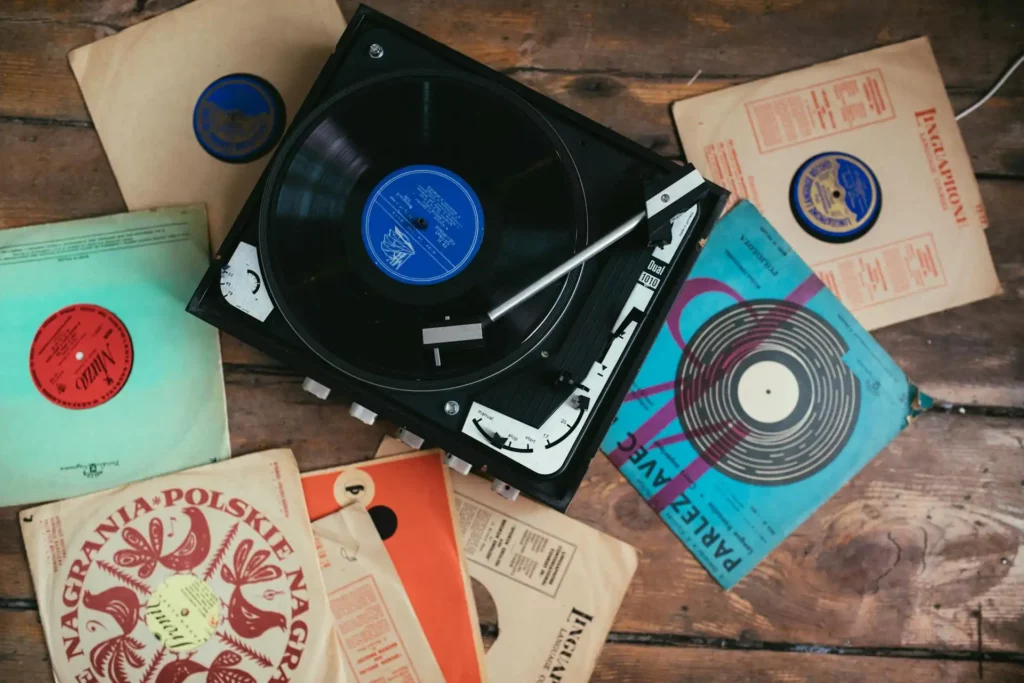
Holding a vintage record feels like shaking hands with the past. The whoosh as the needle drops, the faint crackle before the music blooms, and the oversized artwork you can frame. Starting a 70s vinyl collection is equal parts sound, sight, and discovery. Whether you grew up on these grooves or just found them through a streaming playlist, this guide will walk you through the essentials for building a standout seventies record shelf, even if you are starting from zero.
Why Collect 70s Vinyl?
- Authentic sound: Analog warmth brings out guitar grit and disco bass you never hear on compressed streams.
- Album artwork: Gatefold sleeves, lyric inserts, and poster-sized covers double as wall art.
- Investment potential: First-press copies of Rumours or Dark Side of the Moon have climbed steadily in auction value.
- Culture connection: Owning the physical record rewinds you to chart countdowns, FM radio chatter, and Saturday-morning record-store runs.
Step 1: Choose Your Starter Albums
Begin with five cornerstone vinyl records that span the decade’s biggest sounds. Each is easy to find, relatively affordable in VG grade, and instantly elevates a shelf display.
| Genre Pillar | Must-Own Title | Average VG Price* |
|---|---|---|
| Pop-Rock | Fleetwood Mac – Rumours (1977) | $20–$25 |
| Classic Rock | Pink Floyd – Dark Side of the Moon (1973) | $25–$30 |
| Disco | Bee Gees – Saturday Night Fever OST (1977) | $10–$15 |
| Funk | Stevie Wonder – Songs in the Key of Life (1976) | $18–$25 |
| Singer-Songwriter | Carole King – Tapestry (1971) | $15–$20 |
*Prices reflect 2024 marketplace averages for visually graded Very Good copies.
Step 2: Gear Up Without Breaking the Bank
- Turntable: Pick a new belt-drive model such as the Audio-Technica AT-LP60X or hunt for a serviced vintage table like a Technics SL-D2.
- Cartridge: Upgrade to an Ortofon 2M Red for clearer highs once you outgrow the stock stylus.
- Preamp: If your receiver lacks a phono input, add an ART DJ PRE II for under $70.
- Speakers: A pair of Klipsch R-41M bookshelf speakers delivers punchy 70s lows without huge cabinets.
For an instant upgrade, use shielded RCA cables and place a cork-rubber isolation mat on the platter; both tweaks cut hum and tighten bass response without costing much.
Budget bundle tip: Marketplace kits often throw in a dust cover, slipmat, and cables for less than buying pieces separately.
Step 3: Understand Record Grading
| Grade | Surface Look | Playback Result |
|---|---|---|
| NM (Near Mint) | Glossy, almost new | Quiet, minimal pops |
| VG+ (Very Good Plus) | Light scuffs | Minor crackle in quiet parts |
| VG (Very Good) | Noticeable marks | Occasional clicks, still enjoyable |
| G (Good) | Heavy scratches | Background noise, collectors avoid |
Always inspect both sides under strong light and run your fingertip over suspicious lines; a scratch you can feel usually translates to an audible pop.
Remember, sleeve condition counts too; split spines or torn corners can knock resale value down even if the vinyl itself plays perfectly.
Step 4: Hunt Smart, Pay Less
- Thrift stores: Flip through dusty bins midweek when shelves get restocked.
- Estate sales: Arrive early for untouched family collections of rock, soul, and country.
- Record fairs: Dealers expect hagglers, so bundle multiple LPs for discounted totals.
- Online marketplaces: Search “first press” plus catalog number to locate originals. Ask sellers for close-up label shots and matrix run-outs to confirm authenticity.
When buying overseas, always ask for “box set” shipping rates. Vinyl mailed as printed matter may get crushed, but double-boxed parcels survive long flights intact.
Step 5: Clean, Store, and Protect
- Cleaning: Use a carbon-fiber brush before each spin. Deep-clean thrift scores with a record-washing kit or a DIY mix of distilled water and isopropyl.
- Inner sleeves: Replace paper dust sleeves with anti-static poly-liners to prevent micro-scratches.
- Outer sleeves: Slide jackets into 3-mil polypropylene covers; they ward off ring wear and shelf scuffs.
- Storage: Keep records vertical in sturdy crates, away from sunlight and radiators. Aim for a room temp of 65 – 70 °F and moderate humidity.
If your room is prone to static, keep a small spray bottle of distilled water to mist the air lightly before handling records; this simple trick reduces crackle pops during playback.
Step 6: Expand with Niche Pressings
- Japanese audiophile editions: Noted for quieter vinyl and lyric inserts in English and Japanese.
- Half-speed masters: Labels like Mobile Fidelity recut classics at slower lathe speeds for added clarity.
- Promo copies: Radio-station “white labels” often include mono mixes or unique edits valuable to collectors.
Step 7: Budget Levels for Growth
| Collection Stage | Target Album Count | Typical Spend | Goal |
|---|---|---|---|
| Starter | 20 LPs | $200 | Build core classics and learn cleaning basics. |
| Intermediate | 75 LPs | $800 | Add niche pressings, upgrade cartridge, join swap groups. |
| Aficionado | 200+ LPs | $3,000+ | Hunt first presses, rare colors, and attend record fairs. |
Step 8: Join the Community
- Discogs forums: Swap grading tips and verify catalog numbers.
- Instagram vinyl tags: Use #vinylcommunity and #nowspinning to share finds and follow live sales.
- Local meet-ups: Many cities host monthly record-club nights where collectors spin favorites and trade duplicates.
Online, Discord servers and Reddit threads such as r/vinylcollectors host live listening parties where members A-B compare different pressings in real time.
Quick Reference Checklist
- Clean stylus once a week
- Spin at proper tracking force (consult cartridge guide)
- Log every purchase on Discogs to track value
- Keep silica gel packs in crates to fight humidity
- Replace warped inner sleeves immediately
Conclusion: Let the Needle Drop
Building a 70s vinyl collection is part treasure hunt, part time machine. Start with five iconic LPs, choose dependable starter gear, and learn to grade records with a critical eye. Clean grooves, vertical storage, and community advice will keep your stacks sounding sweet for decades. Spin a freshly washed copy of “Rumours,” feel that warm analog glow, and you will understand why collectors say vinyl is not just a format—it is an experience.
