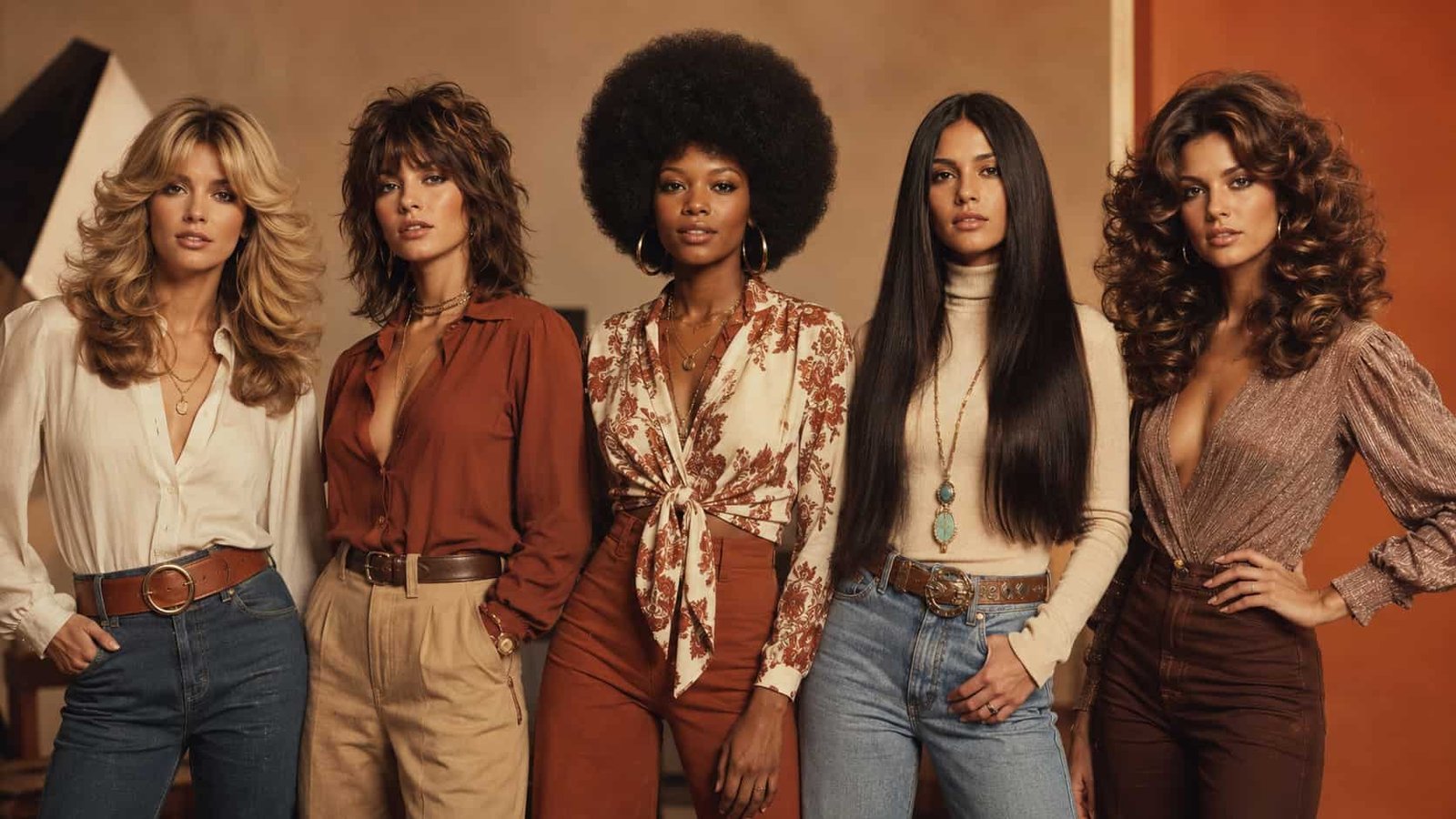
Few decades changed women’s hair as dramatically as the 1970s. One woman might wear her hair long, straight and center-parted, while another chose a sculpted wedge, a natural Afro or a deliberately messy shag.
The decade moved away from many of the heavily set styles of earlier years and made room for movement, texture and individuality. Some looks were soft and glamorous. Others became expressions of independence, cultural pride or rebellion.
These ten iconic 70s hairstyles for women capture the variety that made the decade’s beauty trends so unforgettable.
1. Farrah Fawcett’s Feathered Hair
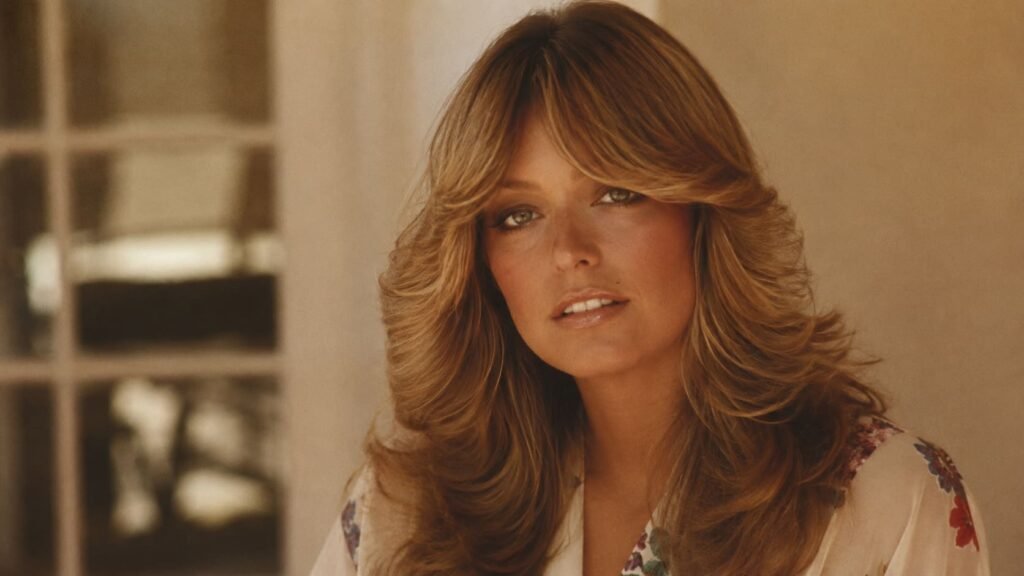
No hairstyle is more closely associated with the late 1970s than the feathered “Farrah” look. Long layers were blown away from the face, creating wide, wing-like sections around the temples and cheeks. The crown had plenty of volume, while the ends remained light and bouncy.
Farrah Fawcett helped turn the style into a sensation through her appearance in Charlie’s Angels. Her combination of curtain bangs, flipped layers and sun-kissed volume became one of the decade’s most copied beauty looks. The hairstyle continues to influence modern butterfly cuts and layered blowouts.
2. The Shag Haircut
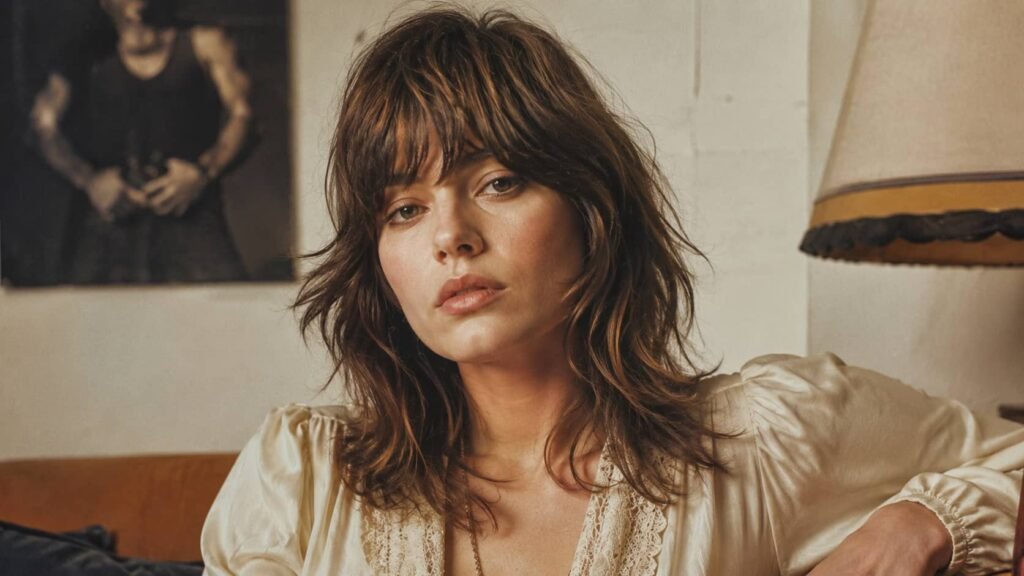
The shag was choppy, carefree and slightly rebellious. Its defining features included short layers around the crown, longer pieces toward the ends and a fringe that could be worn full or swept aside.
Jane Fonda made the cut famous in the 1971 film Klute. Created by hairstylist Paul McGregor, her tousled shag looked strikingly different from the smooth, carefully arranged styles traditionally associated with Hollywood. It soon spread through women’s and men’s fashion, becoming especially popular with musicians and the rock crowd.
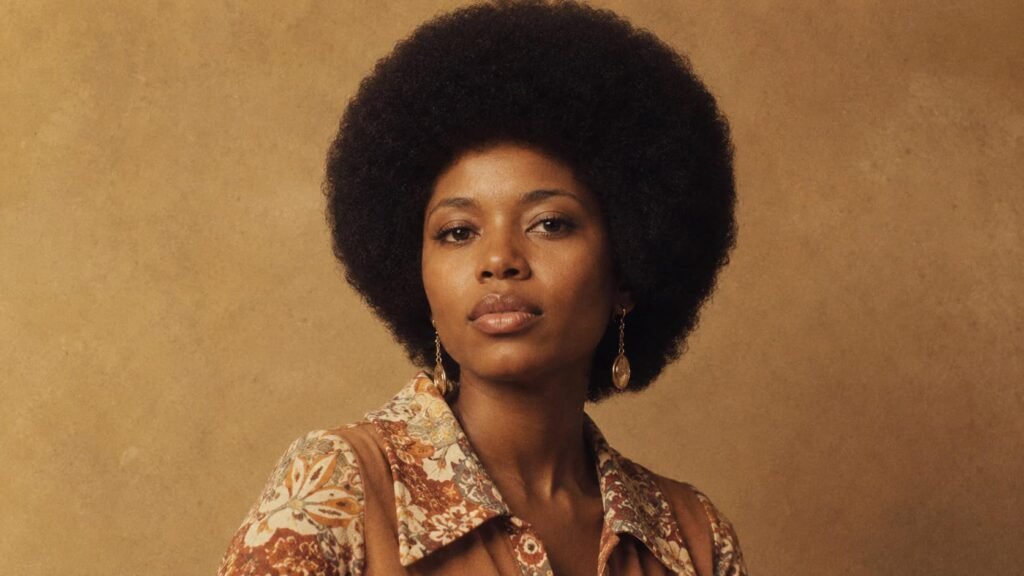
3. The Natural Afro
The Afro was much more than a temporary fashion trend. During the late 1960s and 1970s, natural Black hair became a powerful expression of identity, beauty and pride.
The “Black is Beautiful” movement encouraged people to celebrate natural hair textures rather than conform to narrow, Eurocentric beauty standards. Women such as Diana Ross, Pam Grier and activist Angela Davis became closely associated with full, beautifully shaped Afros.
Whether softly rounded or worn at dramatic volume, the Afro became one of the decade’s most culturally significant hairstyles.
4. Long, Straight Hair with a Center Part
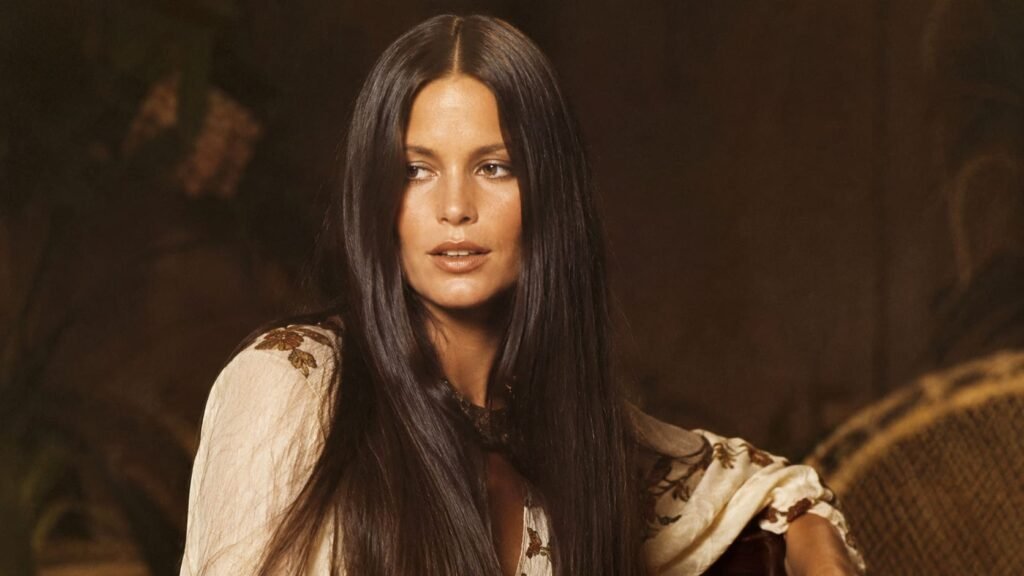
Not every popular 1970s hairstyle required rollers, layers or generous amounts of hairspray. Long, straight hair divided by a clean center part became a defining look for young women throughout the decade.
Cher was one of its most famous representatives, wearing her dark hair exceptionally long, glossy and sleek. Ali MacGraw also helped popularize a softer, more relaxed version of the style.
Simple in shape but dramatic in length, the look complemented the decade’s interest in natural beauty, bohemian clothing and less structured styling.
5. Big Disco Curls
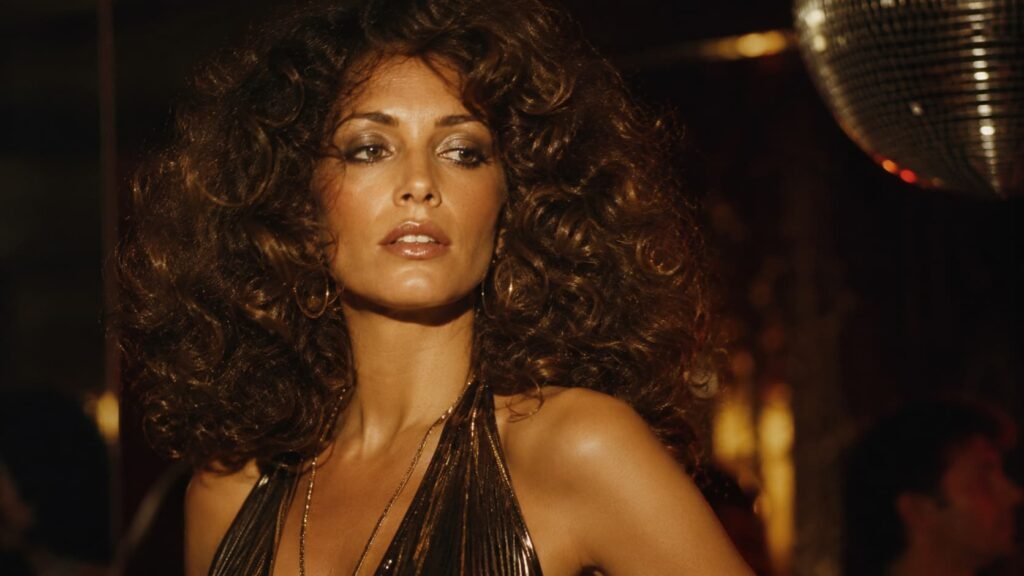
As disco culture grew, so did the hair. Brushed-out curls, soft clouds of volume and glossy waves looked spectacular beneath the lights of crowded nightclubs.
The aim was not always to create perfectly defined ringlets. Instead, disco hair emphasized fullness, shine and movement. Donna Summer’s voluminous curls became closely linked with the glamorous side of the disco era.
The hairstyle looked especially striking when paired with shimmering eye makeup, sequined clothing and the flowing dresses of the period.
6. The Dorothy Hamill Wedge
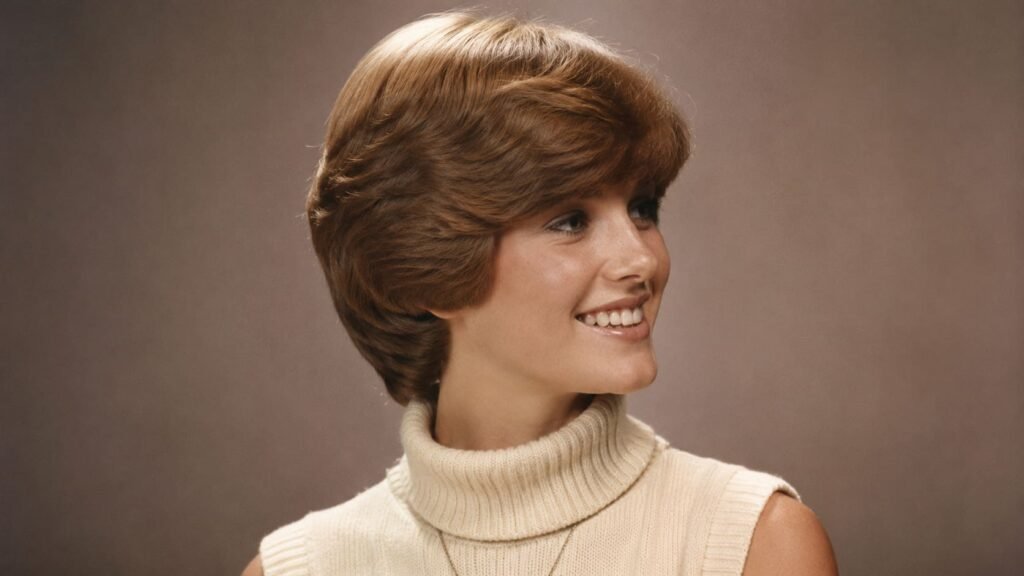
When American figure skater Dorothy Hamill won Olympic gold in 1976, viewers also noticed her distinctive short haircut.
The wedge was rounded and carefully graduated at the back, with enough movement to swing outward as Hamill skated. It quickly became a favorite among women and girls who wanted something practical but fashionable.
Unlike many longer 70s hairstyles, the wedge framed the face without requiring large rollers or lengthy styling sessions. The haircut became so recognizable that customers frequently requested it simply by asking for “the Dorothy Hamill.”
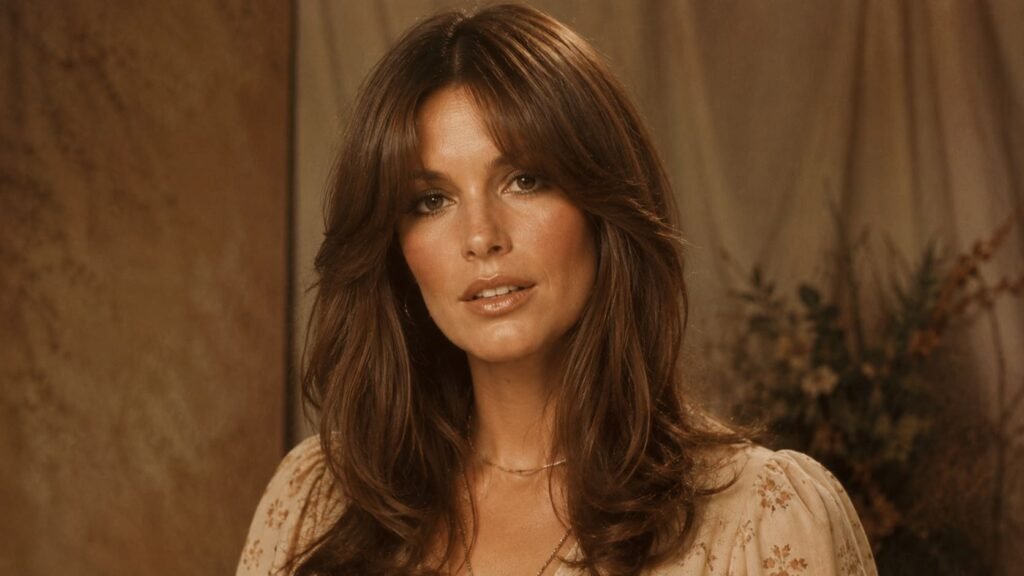
7. Curtain Bangs
Curtain bangs were parted near the center before sweeping toward either side of the face. They could blend into long feathered layers or soften straighter, more relaxed hairstyles.
The style appeared on stars including Farrah Fawcett, Goldie Hawn and Stevie Nicks. Its popularity partly came from its versatility. Curtain bangs added shape around the face without completely covering the forehead.
They could be worn with polished blowouts, loose waves or long bohemian hair. Their continuing return to salons shows how easily the style can be adapted to newer trends.
8. The Pageboy
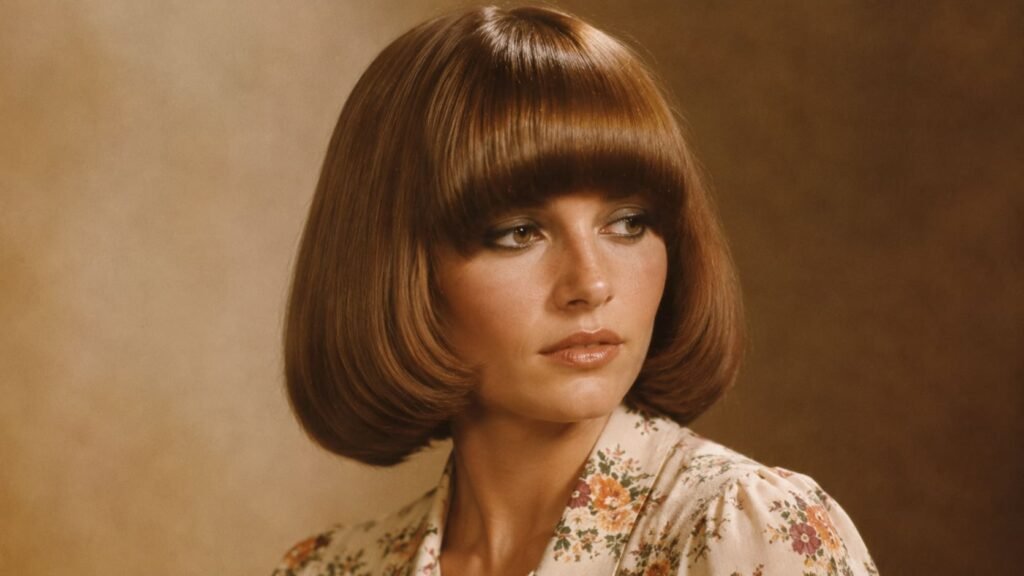
The pageboy offered a smoother, more controlled alternative to the shag. Hair was generally cut somewhere between ear and shoulder length, with curved-under ends and a full fringe.
Some versions were carefully rounded, while others had a softer, more casual finish. Singer Toni Tennille wore a recognizable variation, while Joanna Lumley’s geometric “Purdey cut” became a British television favorite during the second half of the decade.
The pageboy suited the 1970s love of bold collars, geometric clothing and clean silhouettes without returning to the stiff hairstyles of earlier eras.
9. Braids and Beaded Styles
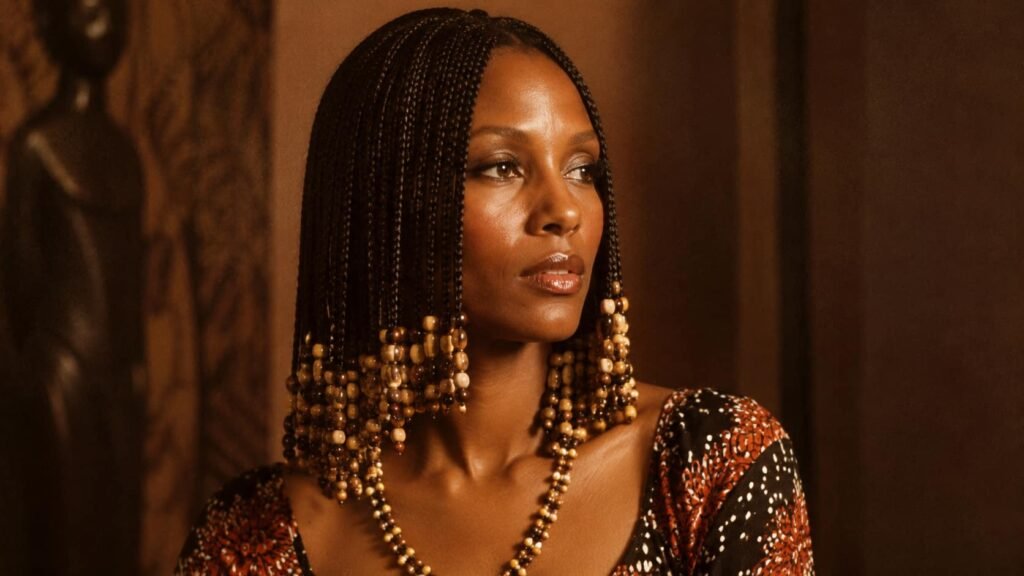
Braids remained an important part of Black hairstyling throughout the 1970s. Cornrows, narrow braids, beads and wrapped sections brought texture and visual detail while drawing on traditions far older than the decade itself.
These styles could be worn close to the scalp, gathered into more sculptural shapes or finished with decorative beads. They appeared in music, film, fashion photography and everyday life.
Their growing visibility helped broaden mainstream ideas about fashionable women’s hair, although the cultural history behind these styles stretches back centuries.
10. Punk-Inspired Crops and Choppy Hair
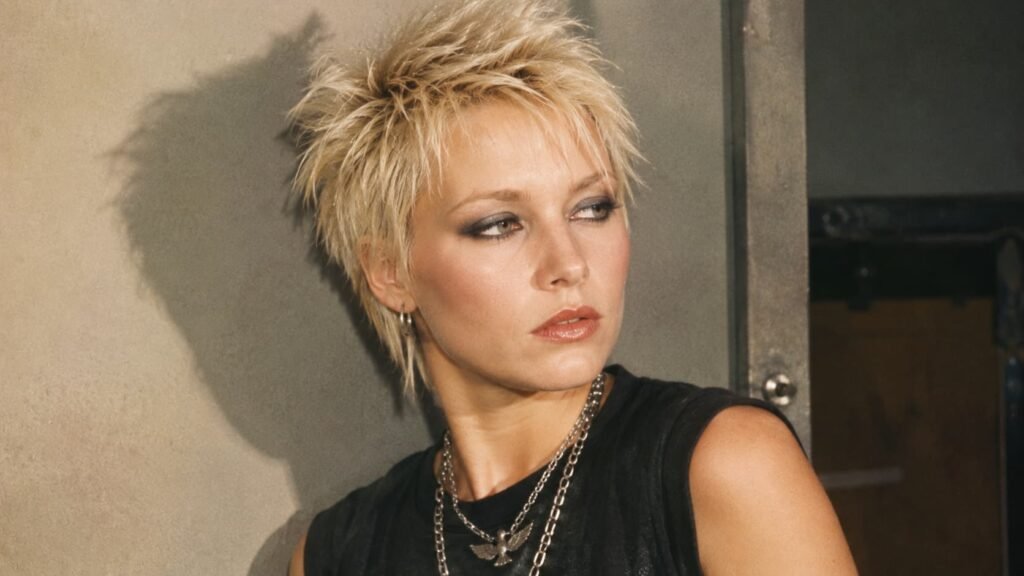
By the late 1970s, punk offered a deliberate rejection of salon-perfect beauty. Cropped cuts, uneven fringes, bleached sections and roughly styled textures appeared alongside leather jackets, torn clothing and heavy eyeliner.
Debbie Harry mixed punk attitude with platinum glamour, turning bleached blonde hair into part of her unmistakable image. Patti Smith’s unstructured style created a more androgynous, deliberately unfinished appearance.
These hairstyles were not supposed to look polished. Their appeal came from appearing personal, improvised and defiant.
The hairstyles of the 1970s could be glamorous, natural, practical or confrontational. From feathered wings to sculpted Afros and jagged punk fringes, women used their hair to show who they were, or who they wanted to become.